


Moves
- Flip the category’s emotional code
- Start inside a microculture
- Marketing moves into the product brief
- Ship the brand unfinished
2026 rank
HOKA, rank 1
- Rival 50 Score
- 4.06
- Differentiation
- 4.0
- Relevance
- 4.0
- Talkability
- 4.24
Growth signalNet sales up 15.9% to $2.587 billion in fiscal 2026.
In 2009, the running industry stripped shoes back to almost nothing. HOKA built the biggest midsole anyone had ever seen. It won the argument so completely that everyone now makes shoes that look like HOKA’s, and that’s the problem.
In 2009, the running shoe was disappearing. “Natural” running was the industry’s big idea, and every brand was racing to strip out foam until runners could feel the ground. HOKA went the other way. Its founders, athletes in the French Alps who wanted to run downhill faster, built a shoe with an oversized midsole and a rocker shape that looked, to most people, ridiculous. But it wasn’t a fashion statement. It was a performance answer.
Minimalism asked runners’ legs to absorb every impact; HOKA put the protection back underfoot. Ultrarunners, who had the most to gain, adopted it first. Once they did, the strange shape had a reason to exist.
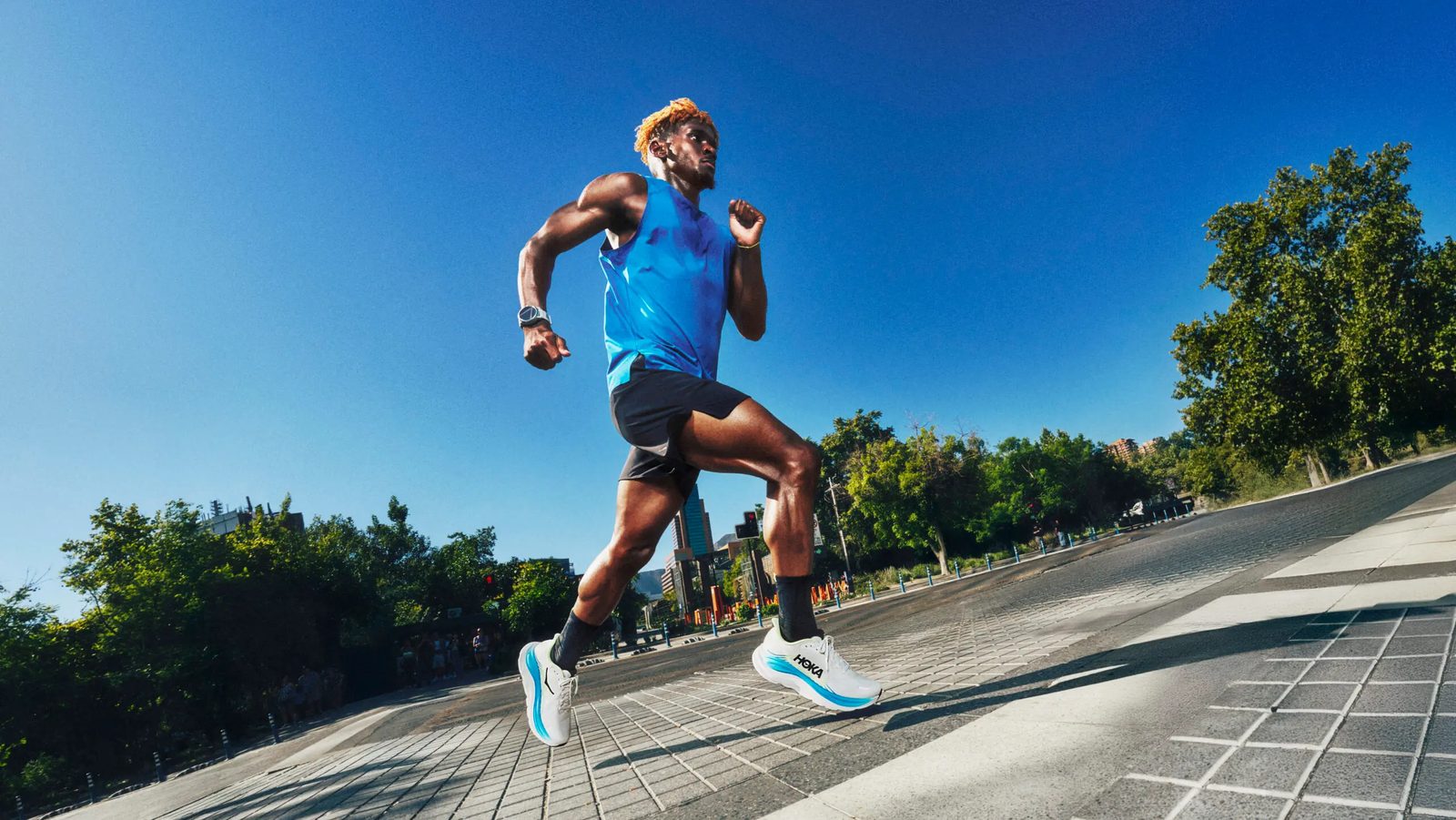
Seventeen years later, HOKA is a $2.6 billion brand that shows up at race starts, in designer collaborations and in a Foot Locker spot with Gucci Mane. It’s number one in this year’s Rival 50 for a simple reason: its product did the challenging before its marketing had to.
Scoring
Differentiation
Score 4.0
The category default: lighter, thinner, closer to the ground. The whole industry agreed on what a running shoe should be.
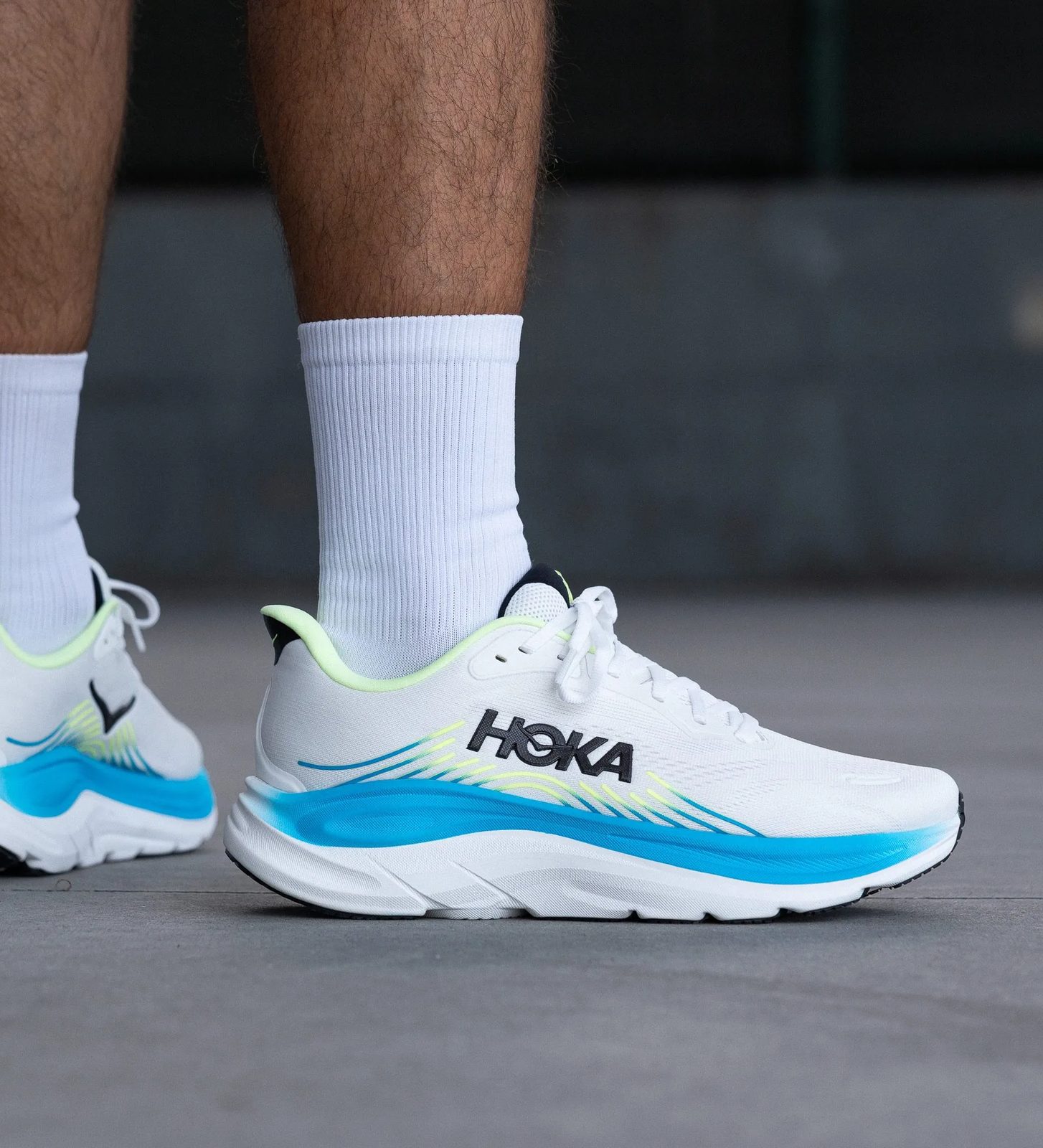
What HOKA did: built the opposite, with maximal cushioning, a rocker shape and a silhouette nobody could mistake. Today it takes that difference into fashion without giving it up. In March 2026, designer John Elliott reworked HOKA’s carbon-plated Rocket X 3 racing shoe in a muted coastal camouflage. He changed how it looked and who might wear it, and left the racing shoe underneath untouched.
So what: HOKA’s shoes looked different because they worked differently, which is why nobody could dismiss them as a gimmick. The Elliott collaboration shows how a performance brand should do fashion: change the look, never the purpose.
Relevance
Score 4.0
The category default: a race sponsorship means a logo on the finish line.
What HOKA did: in its first year as title sponsor of the 2026 Hackney Half Marathon, it built its presence around the neighborhood itself. A live mural on Mare Street grew across race weekend with the names of local runners and clubs. HOKA branded 250 Lime bikes, used Citymapper to guide people to its community hubs, and sent finishers home in free branded black cabs.
So what: every touchpoint did a job. The mural honored the people who make the race matter. The bikes and cabs solved the problem every finisher has: getting home on legs that have stopped working. HOKA didn’t sponsor the race. It became part of it.
Talkability
Score 4.24
The category default: a new running shoe launches with performance claims and a famous athlete.
What HOKA did: launched the Bondi 7 Stealth Tech with Foot Locker through “Right Shoe, Wrong Gucci,” built on the internet’s long-running joke that rapper Gucci Mane looks like NBA referee James Williams. Gucci Mane walks in to buy the shoe and is served by two lookalikes, Williams among them, who speak only in his signature ad-libs.
So what: the joke arrived with recognition already built in, so nobody had to care about a shoe launch before pressing play. It carried HOKA’s most cushioned shoe into music and sneaker culture, a room no performance claim could have opened.
Our take
HOKA won its argument so completely that maximal cushioning is now a staple of every major running brand. Competitors pile foam into their own midsoles, and the silhouette that once stopped people in the street now looks familiar. HOKA has become the convention it broke.
How it got there is the real lesson. HOKA didn’t win by out-shouting the giants. It won by getting the order right. It started with a product that solved a real problem, then proved it where the stakes were highest, with ultrarunners who had the most to gain. Their trust gave everyday runners, and later walkers and people on their feet all day, a reason to try a shoe that looked strange. Only then did HOKA step fully into fashion and pop culture, and it did so without leaving its purpose behind. John Elliott reimagined a carbon-plated racing shoe without abandoning its technical purpose. Gucci Mane took the Bondi, HOKA’s most cushioned shoe, into sneaker culture. Hackney and New York put runners, not celebrities, at the center. At every stage, the product earned the next audience.
That’s what makes HOKA’s next chapter so delicate. As the category catches up, the brand’s culture moves will carry more of the weight its product once carried alone. HOKA’s original insight was that the category had confused less with better. Its risk now is a quieter version of the same mistake: confusing being seen with being chosen.
Marketer takeaways
-
1. EARN CREDIBILITY BEFORE YOU SPEND IT.
HOKA’s license in fashion and culture was built on the trails. A collaboration can extend a reputation; it can’t replace one.
-
2. LET YOUR AUDIENCE WRITE THE CAMPAIGN.
The Hackney mural and New York’s Strava borough challenge made runners the content. Give people something to add, and they’ll carry the brand for you.
-
3. BE USEFUL BEFORE YOU’RE VISIBLE.
Bikes and recovery rides earned HOKA a real role in race weekend. A banner never could have.
-
4. PLAN FOR THE DAY YOU WIN.
Breaking a convention creates a new one. A challenger’s next job is staying ahead of the version of itself everyone else is now copying.
Advisor commentary
HOKA topped the 2026 Rival 50, and advisor Dagmara Szulce pointed to what set it apart: “HOKA does what category leaders initially wouldn’t: it made comfort the hero of performance,” growing from “roughly $350 million in revenue in 2020 to more than $2 billion by 2025, proving that what started as an ultrarunning niche could become a mainstream movement.”

Dagmara Szulce Group Executive Vice President Association of National Advertisers
Reviewers’ view
Reviewers credited HOKA with challenging performance-shoe conventions by combining foot science, insole care and visual aesthetic. They also pointed to a look that is recognizable on the street, appeal across walkers, runners and streetwear, and community activations like the Run Your City Strava Challenge.