


Moves
- Marketing moves into the product brief
- Ship the brand unfinished
- Sell what you take away
2026 rank
Slate Auto, rank 8
- Rival 50 Score
- 3.91
- Differentiation
- 4.7
- Relevance
- 3.7
- Talkability
- 3.85
Growth signalMore than 160,000 reservations since its April 2025 reveal, with deliveries expected from late 2026.
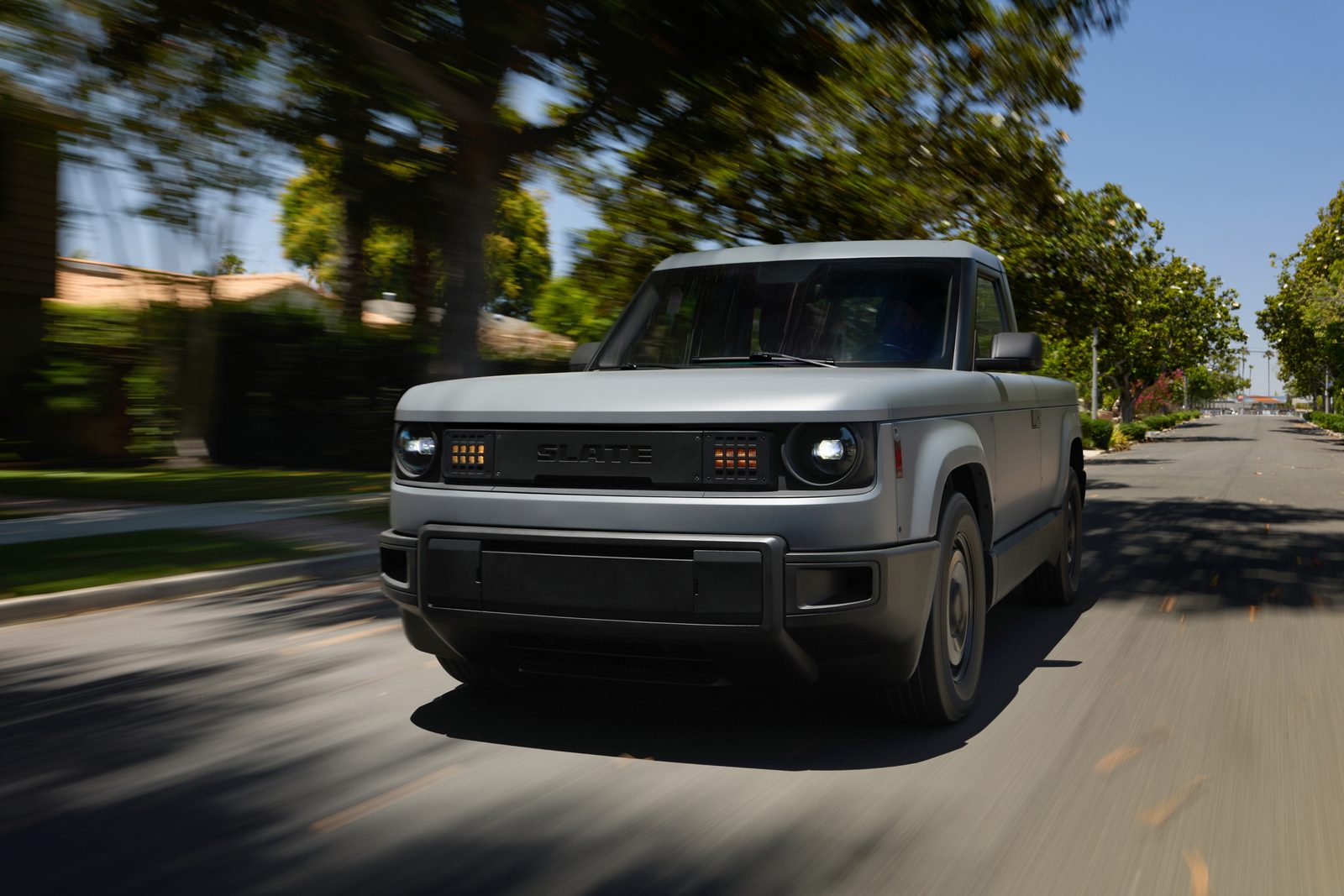
Every carmaker is racing to add a bigger screen. Slate is betting its whole business on a truck that doesn’t have one.
For a decade, the car industry has turned vehicles into rolling smartphones: bigger screens, longer feature lists and prices that keep climbing. The average new car in the US now costs close to $50,000. Slate went the other way. Its electric pickup starts at $24,950 and comes with almost nothing: no paint, no central touchscreen and windows you wind by hand. Everything else is optional.
Buyers choose from a catalog of accessories, wrap the truck in any color they like, and can even convert it from a two-seat pickup into a five-seat SUV. The bet is that plenty of drivers are tired of paying for features they never asked for. And restraint is something a bigger competitor can’t simply add to its options list. In a category racing to add, Slate made taking away the product.
Scoring
Differentiation
Score 4.7
The category default: compete on range, software and an ever-longer list of features, with the price rising to match.
What Slate Auto did: stripped the truck back to the essentials, and stripped the marketing back too. Slate deliberately doesn’t lead with the fact that it’s electric, because every new car brand says that. It leads with price and customization instead.
So what: Slate can’t outspend Ford or Tesla on features, but it can stand for the opposite. Removing things is a choice incumbents are built to avoid, which makes it the one advantage they can’t easily copy.
Relevance
Score 3.7
The category default: a car is one big, fixed purchase, followed by years of dependence on the dealer for servicing.
What Slate Auto did: lets buyers start with a basic truck and add accessories as their needs and budget change. It offers free do-it-yourself repair and upgrade guides through Slate University, and backs them with a national network of independent repair shops.
So what: buying a car usually means a large upfront commitment and a long relationship with a dealer. Slate removes both. At a time when household budgets are stretched, it turns one of the biggest purchases most people make into something they can grow into.
Talkability
Score 3.85
The category default: car launches run through auto shows, dealer events and motoring press.
What Slate Auto did: before its official reveal, it parked disguised trucks around Los Angeles, dressed up as quirky local businesses, and let people discover and photograph them before the brand had even introduced itself.
So what: a truck that looks unlike any other pickup is best discovered on the street, where the design does the explaining. Slate earned a news cycle without needing a big automaker’s ad budget.
Our take
So far, Slate’s story has been a series of moments: a street stunt, a price reveal and a rush of reservations. Then comes the longest and riskiest stretch for any new carmaker: the wait between reserving and receiving. Attention fades, competitors respond, and, for a brand built on a low price, every change to the economics gets scrutinized.
Reservation holders are keeping the conversation going themselves, swapping build ideas and pricing out accessories for trucks they don’t own yet. Slate already has what it needs to lead that conversation: an accessory catalog that makes every truck personal and how-to content that turns owners into builders. Running those as an ongoing series would keep momentum alive until delivery day.
Then comes the real test. Slate’s whole argument is that less can be worth more. That holds up only if the truck is reliable, the price stays within reach and the ownership experience is as simple as the pitch. A promise built on restraint has no extra features to hide behind.
Marketer takeaways
-
1. MAKE RESTRAINT THE BELIEF.
What a product leaves out can say more about a company than anything it adds.
-
2. SELL RELIEF, NOT JUST A PRODUCT.
Letting customers buy in stages makes a big purchase feel manageable.
-
3. LET CUSTOMIZATION BUILD THE COMMUNITY.
Accessories turn one product into thousands of personal versions, and owners end up doing part of the marketing.
-
4. PLAN FOR THE WAIT.
The gap between buying and receiving is where attention fades. Fill it with content that keeps customers involved.
Advisor commentary
Tom Denford, a Rival 50 2026 advisor, sees Slate Auto doing things differently in a category that tends to compete on features. The brand has “realized that the ‘clean space’ in the auto industry is actually in simplifying and allowing the customer to put their own imagination to use to create the product that they need,” and is “making a feature out of their lack of features and are willing to make fun of themselves along the way.”

Tom Denford CEO ID Comms
Reviewers’ view
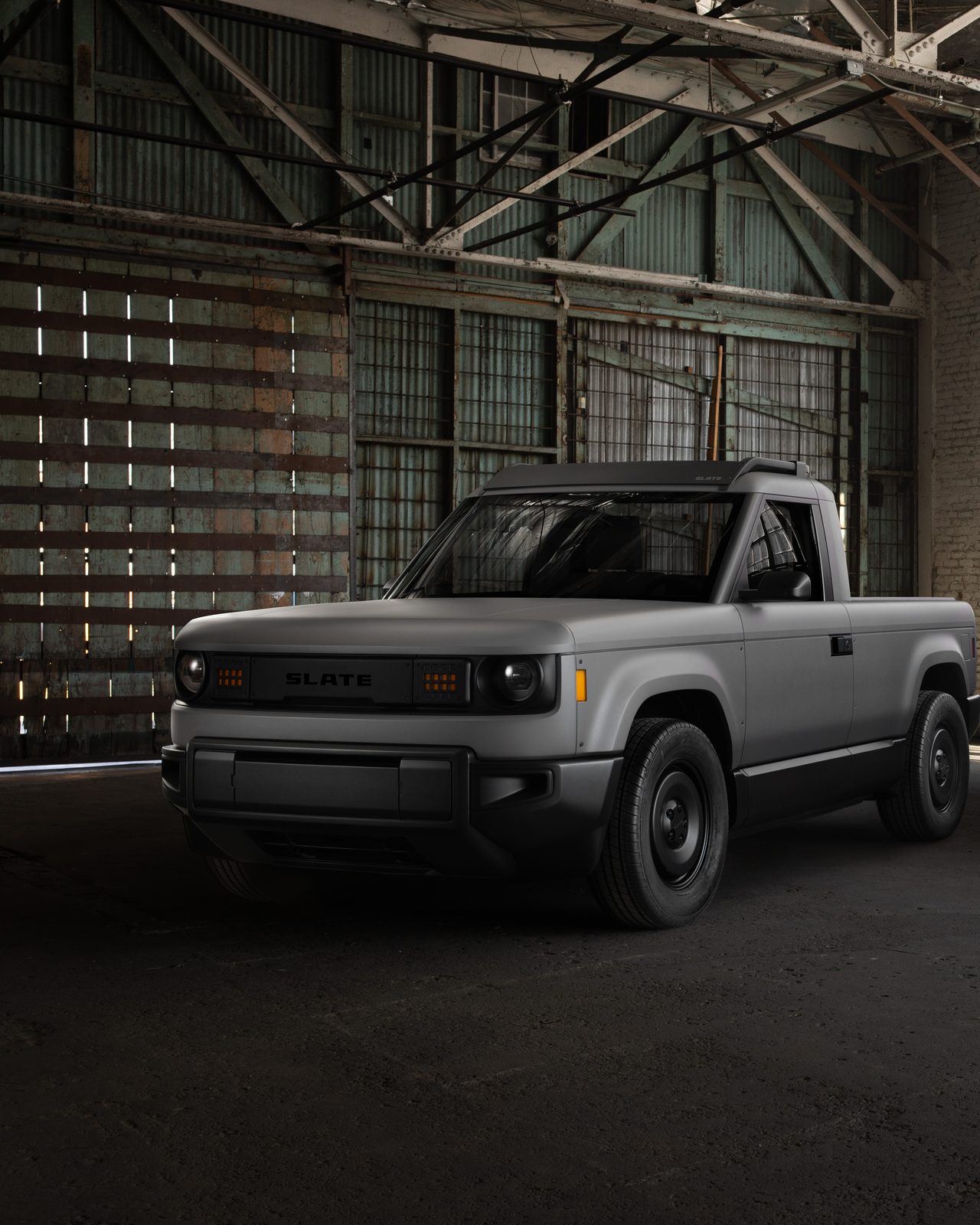
Reviewers singled out Slate Auto’s modular car design concept and its affordability as the standout elements of its positioning, and also pointed to a short-form video ad.