


Moves
- Start inside a microculture
- Run the brand like a franchise
2026 rank
Bandit Running, rank 18
- Rival 50 Score
- 3.75
- Differentiation
- 5.0
- Relevance
- 5.0
- Talkability
- 3.71
2025: #36
Growth signalMore than $30 million raised to date; the Bandit Grand Prix grew from about 1,200 runners in 2025 to 3,000 in 2026.
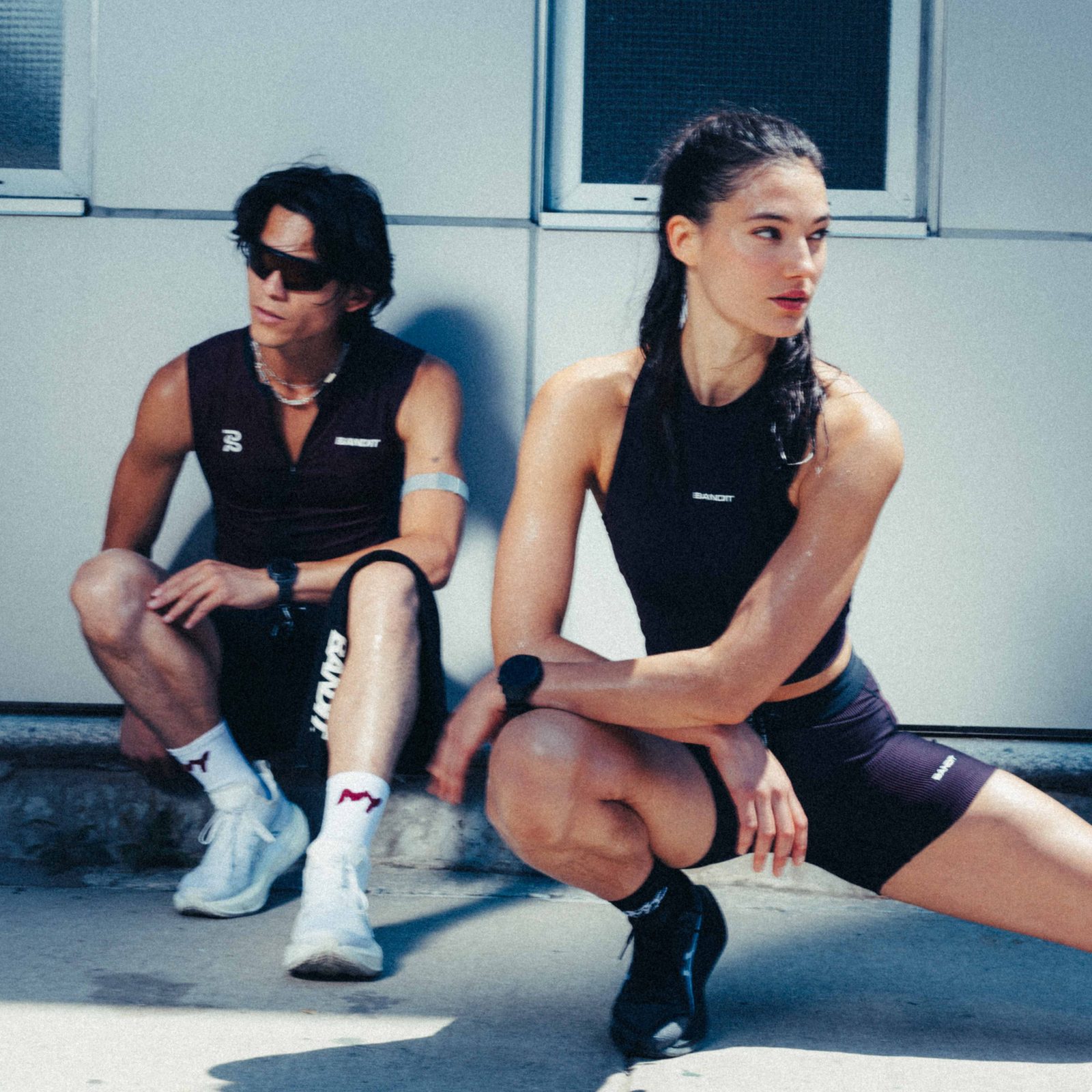
There isn’t a single picture of a runner on Bandit’s mood board. Its next race is against its own success: taking a community built street by street in New York to cities that didn’t build it.
Running apparel competes on technical claims, elite athletes and a visual language every brand shares: sweat, speed, the finish line. Bandit’s co-founder Ardith Singh draws on art, architecture and New York fashion instead. The result is performance gear that looks like a culture brand first and sportswear second.
That isn’t styling on top of the business. Bandit has built a community around the identity of being a runner, not just the act of running, and it gives that community real things to do. The Bandit Grand Prix turns a race into a spectator event. The Unsponsored Project backs elite athletes who have no brand deal at all. Running is the occasion. Belonging is the product.
Bandit is one of only a handful of brands in this year’s top 50 with perfect scores for both differentiation and relevance.
Scoring
Differentiation
Score 5.0
The category default: build the brand from the sport’s own codes: technical fabrics, performance imagery and athletic logos.
What Bandit Running did: built its look and its stores from New York’s wider creative culture (art, architecture and fashion) and kept its Brooklyn roots as the identity rather than sanding them down for international growth.
So what: a runner no longer has to dress like the industry’s idea of a runner. That’s a belief about identity, not a styling choice, and it’s much harder to copy than a fabric spec.
Relevance
Score 5.0
The category default: brands sponsor athletes who have already made it.
What Bandit Running did: launched the Unsponsored Project in 2023, giving unbranded race kits and direct financial support to elite track-and-field athletes with no backing. Its contracts let any athlete leave the moment a real sponsorship comes along. In July 2026, the project supported more than 60 athletes at the USA Track & Field Outdoor Championships.
So what: Bandit isn’t competing for these athletes. It’s funding the gap until someone else can sign them. That’s a more credible definition of community than a word printed on a shirt.
Talkability
Score 3.71
The category default: a race is a competition, with spectacle as an afterthought.
What Bandit Running did: staged the second Bandit Grand Prix at Brooklyn’s Storehouse in May 2026: a Formula One-style format on a nine-turn warehouse course for 3,000 runners from 21 countries, ending with a podium and an afterparty on the finish line.
So what: it’s a cultural event that happens to involve running, and Bandit owns the format. Each year it returns, the event adds to the brand’s lore instead of starting from scratch.
Our take
Bandit’s biggest advantage is its specificity: a New York identity, a Brooklyn store on a running route and a race format nobody else runs. That specificity is also what’s most at risk as the brand expands. It has grown deliberately, one city at a time: a second New York store, then Chicago, then a pop-up in Los Angeles.
Bandit’s buzz also doesn’t live where most metrics look. Its online footprint is modest next to a race that more than doubled in a year. Its influence spreads the way microcultures always have: in person, in group chats and on the start line. That’s a strength, but it means growth has to be earned room by room.
The three parts of the model reinforce each other: the clothes give the community an identity, the Unsponsored Project gives that identity credibility, and the Grand Prix gives it somewhere to gather. The test is whether that system can be rebuilt in cities that didn’t build it, without becoming a marketing claim.
Marketer takeaways
-
1. STEAL FROM OUTSIDE YOUR CATEGORY.
A different source of inspiration creates a more distinctive identity than refining the category’s own codes.
-
2. FUND THE BELIEF, DON’T JUST SAY IT.
A belief with a budget line is harder to copy than a tagline.
-
3. OWN THE EVENT, DON’T RENT IT.
A recurring format you control becomes an asset that grows every year.
-
4. MEASURE THE ROOM, NOT JUST THE FEED.
In-person momentum and online noise are different signals. Track both.
Advisor commentary
Rival 50 2026 advisor Marcela Melero on Bandit Running:
“Community isn’t just what the brand talks about; it’s how the brand is built and behaves. That’s what makes ‘community-driven’ feel real.”

Marcela Melero Chief Growth Marketing Officer Dove
Reviewers’ view
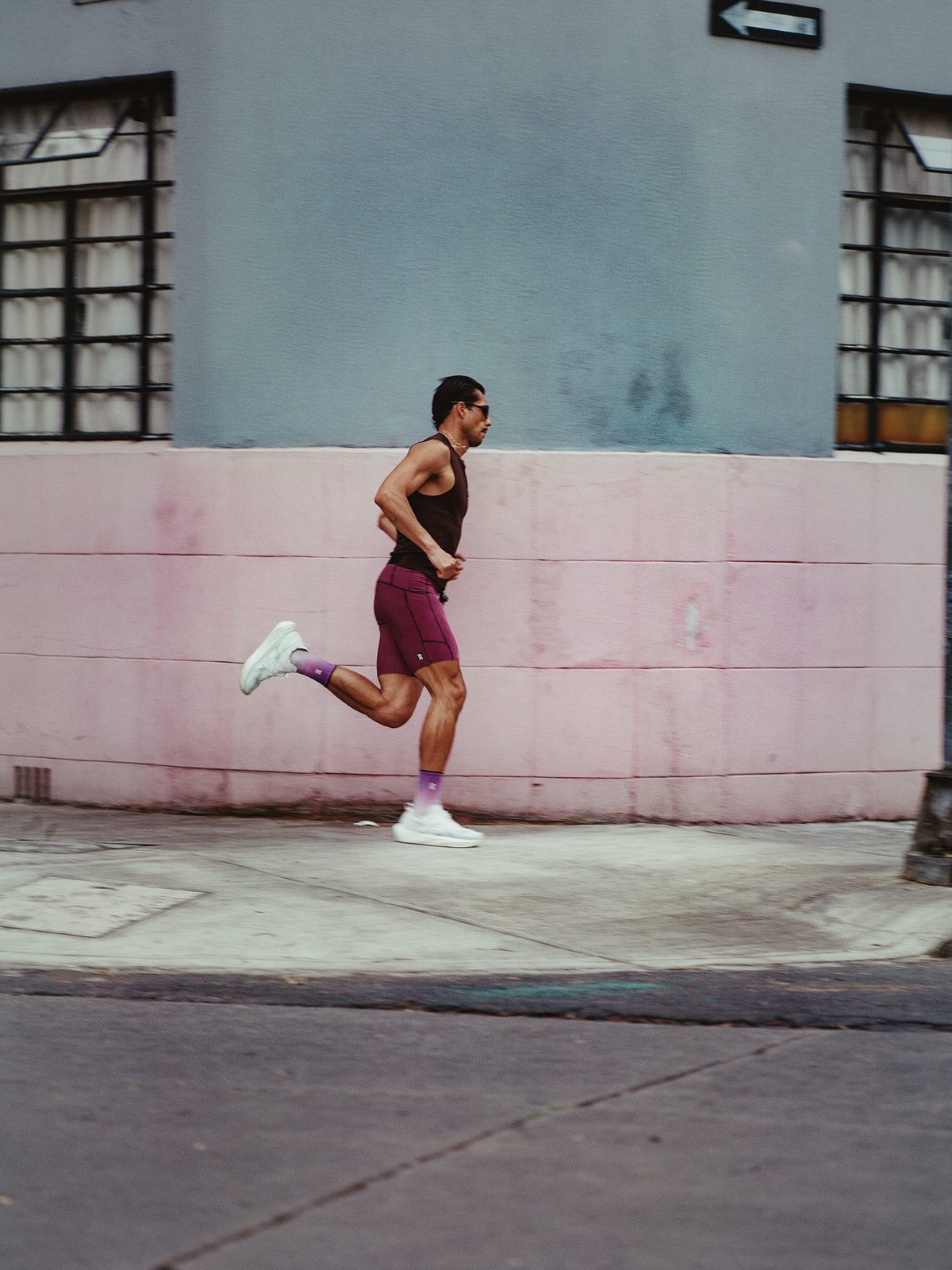
Reviewers credited Bandit Running for pairing running with the unexpected idea of bandits and for solid, quickly recognizable branding that sets it apart from sportier rivals. They also noted its reach into the culture around running, along with strong advertising.