
Power Femmes
Named on the paper's cover. The paper doesn't profile Power Femmes on their own. Like every microculture, they are defined by the eight traits below.

Monoculture wrote the old marketing playbook. Growth now comes from thousands of communities built on shared passions. Our whitepaper shows how to find them, plan for them and measure what they return.
The full argument, with every figure sourced. Jump to a chapter, or scroll and the rail keeps your place.
For decades, a handful of big brands shaped what we wore, ate, watched and celebrated. Coca-Cola became synonymous with Christmas through decades of festive advertising. De Beers's 1947 slogan, “A Diamond is Forever,” forged lasting demand for diamond engagement rings.
That model is breaking. Ernst & Young reports that the average lifespan of an S&P 500 company has fallen from 67 years in the 1920s to 15 years today. A McKinsey study projects that 75% of S&P 500 companies will be gone by 2027.
Underneath sits one problem: relevance. A brand that is not relevant to its consumers, and to culture, is not positioned for growth. This paper is part of Rival's work documenting what successful challenger brands do differently to grow in categories being disrupted.
Lifestyles, tastes and habits are no longer set by a select few. Culture is now ruled by Pickleballers, Dark Academia, Coastal Grannies and thousands of other microcultures: like-minded people gathered around a niche interest. Their passions bubble up, the world takes note, and their trends often spread.
The effects are real. The US Open Pickleball Championship drew 50,000 people and an economic impact of $12M (Gulfshore Business). Coastal Grannies, a TikTok-coined aesthetic inspired by Nancy Meyers films, Ina Garten and Martha Stewart, is behind last year's most popular baby names.
An entire generation now doubts the mainstream exists: 91% of adults aged 18 to 25 don't believe there is such a thing as mainstream popular culture (The Future Party). Microcultures are trend drivers and influencers at once. Connecting with them unlocks relevance, and relevance holds the key to growth.
Pick one to see what the paper says about it. Where the paper only names a microculture, we show the traits it uses to define all of them.
Named on the paper's cover. The paper doesn't profile Power Femmes on their own. Like every microculture, they are defined by the eight traits below.

Named on the paper's cover. The paper doesn't profile True Believers on their own. Like every microculture, they are defined by the eight traits below.
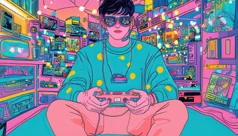
The paper names Social Gamers on its cover and returns to gaming microcultures in chapter 04: they are shaping new games and gaming gear to be more representative and more inclusive.
Its example: Burberry partnered with Korean esports team Gen G on an educational series championing women and inclusivity in gaming, with Gen G influencers and Burberry team members discussing the challenges women face in esports.

A term now validated by the Oxford English Dictionary. Most of us belong to several microcultures, and it seems everyone is a Swiftie.
When Taylor Swift endorsed Kamala Harris, the campaign team adopted Swift-themed friendship bracelets. The merchandise raised over $1M.
The paper closes on Swifties as the classic example of a microculture gathering enough influence to become mainstream.
Source for the $1M: The Philadelphia Inquirer
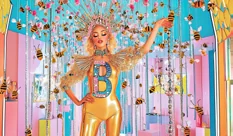
Named on the paper's cover. The paper doesn't profile the Beyhive on its own. Like every microculture, it is defined by the eight traits below.

Named on the paper's cover. The paper doesn't profile Bravoholics on their own. Like every microculture, they are defined by the eight traits below.
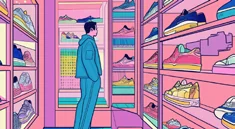
The paper names Sneakerheads on its cover but doesn't profile them on their own. The closest it comes is streetwear microcultures, which it returns to more than once.
McDonald's paired its Adult Happy Meal with streetwear brand Cactus Plant Flea Market. Streetwear also shaped work from Adidas (Cuts & Slices and its Supreme collaboration) and UPS's Be Unstoppable campaign for small businesses.

The paper's planning example. Broad demographics such as Millennial Moms, Empty Nesters or Suburban Families say little.
Microcultures such as Spicy Book Baes, Astrology Girlies and Lawn Dads show who people are, what influences them, what's trending and the cultural anchors they follow.
The paper is clear that microcultures are not trends or fads. Compare the traits it gives each.
Marketers have long talked about communities: people who align with a brand, its values and purpose. The more useful definition starts with the consumer. Groups with similar consumption patterns that come from parallel interests are microcultures. They give people identity, belonging and an outlet for creativity, and most of us belong to several.
This is how people live now. Morning Consult finds that Gen Z and Millennials identify more with online, passion-based groups than with people in their “real” lives. They feel those groups understand them better, and they often spend more time with them.
The industry reads this as fragmentation. Through the lens of microcultures, it is abundance. Ten years ago the US produced around 200 scripted shows a year. Last year it was close to 600, each with a community fanning its popularity. Fashion works the same way: Romantic Goth, Dark Academia, Boho, Cottage Core, Coastal Granny and Classic Prep all trend at once.
McKinsey's community flywheel names the shift: the job now is to solve for influence. Participate with these communities, reflect their interests, celebrate what inspires them. Airbnb did it when it gave away a free stay in a life-sized Malibu Barbie Dream House with the Barbie movie.
When people believe a brand is genuine, they engage with it, advocate for it and stay loyal. Microcultures push past broad indexes of interest to give brands the cultural fuel to connect, beyond traditional strategy and advertising.
McDonald's Cactus Plant Flea Market Adult Happy Meal married the insight that you're never too old for a Happy Meal with a streetwear microculture brand. The toys resold for thousands of dollars, and traffic to McDonald's rose by over 30% for the period. It sits in a long line: Michael Jordan in the early 1990s, the Travis Scott Meal in 2020, BTS, and anime fans' “WcDonald's.”
Crocs did the same with Clogcore, a community that loves unconventional fashion and self-expression. A KFC collaboration produced fried-chicken-print shoes that sold out within half an hour (Vice), and Jibbitz charms took self-expression further. The paper credits that resonance with taking Crocs from the brink of bankruptcy to more than $4 billion in revenue.
B2B is no exception. Every buyer belongs to communities of like-minded people, from Classic Car Lovers among automotive professionals to the CottageCore, Sk8ter and Ski Bum owners of small businesses. B2B brands are less likely to chase viral moments, but they can use microcultures to build marketing infrastructure and innovation.
Engaging microcultures means breaking with incumbent thinking. Advocates of community-led marketing urge brands to “target the whole, not the one” and to rethink the ideal consumer profile.
We agree. Broad, index-based demographics such as Millennial Moms, Empty Nesters or Suburban Families say little. Microcultures such as Spicy Book Baes, Astrology Girlies and Lawn Dads show who people are, what influences them, what's trending and the cultural anchors they follow: events, books and anticipated releases.
A microculture-based view of the consumer enriches brand and activation strategy, as Wayfair and McDonald's show. It fuels more original social content and more relevant calendars than national days and holidays. And it feeds innovation: vegan microcultures inspired new products and brands such as Slutty Vegan, streetwear shaped work from Adidas to UPS's Be Unstoppable campaign, and Burberry partnered with Korean esports team Gen G on a series championing women in gaming.
Pushback usually comes from media planning. The iron law of media effectiveness says reach drives results, and 95% of a target audience is not actively looking to buy (University of South Australia). Paid media has to go broad in some form.
Highly engaged groups make that reach work harder. Their insider hashtags and references produce more emotionally relevant content, and WARC finds the best creative returns up to twice as much as ads with lower quality scores. In paid social, where algorithms already treat creative as targeting, low-cost content released against microcultures tests which cultural trends have broader appeal. The audience self-selects.
The goal is not likes, comments or shares. LEGO found adult fans who collect and build, made more complex kits and fan-created products for them, and grew revenue 27% in 2021 and 17% the following year (Segmentify). Its pop-up flower shop at Battersea Power Station, for the Botanicals Collection, drew 4.2M views on TikTok and 4.6M impressions on talent paid social (The LEGO Group).
Microcultures are multiplying, fueled by social platforms that let like-minded people find each other. That is changing nearly every part of culture, and it should change marketing too. As McKinsey suggests, the megaphone is defunct.
Demographics are finite. Microcultures open up endless, ever-evolving ways to build meaning with whole communities. Even the paper's biggest example proves it: everyone's a Swiftie, a microculture that gathered enough influence to become mainstream.
Lance Koenig · Chief Strategy Officer, Rival

A limited series from Rival on the rise of microcultures and what it means for brand strategy.


Interested in how microcultures apply to your brand? Book a call or a workshop with our strategy team.